Compare Local Contractors for Basement Wall Cutting Projects
Compare local contractors for basement wall cutting to define the scope, verify experience, and set clear expectations for a successful project.
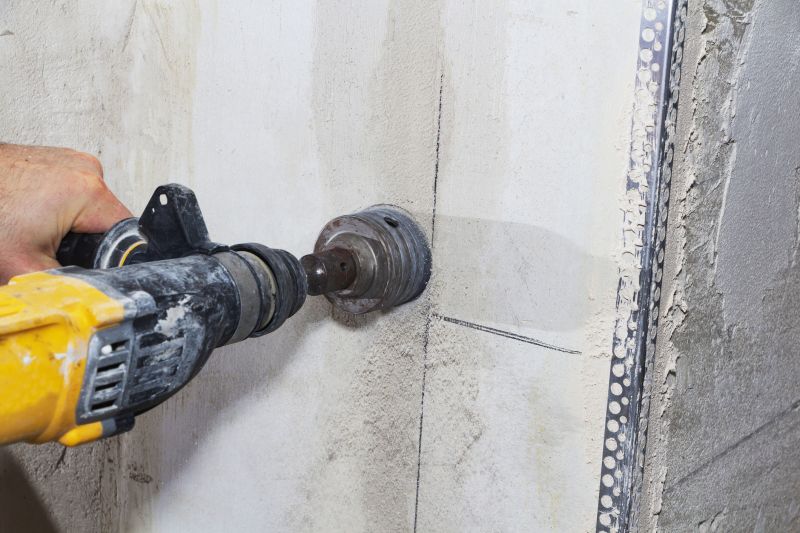
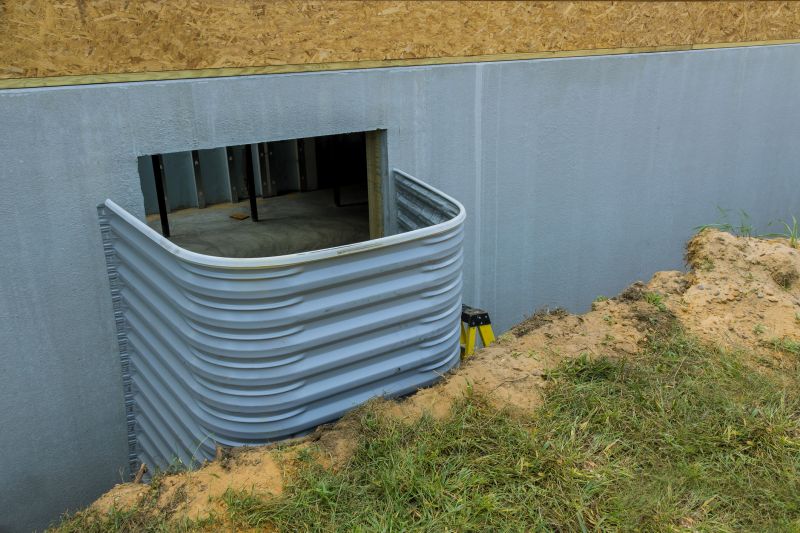
Basement wall cutting is a specialized service that typically involves modifying existing foundation walls to create openings for doors, windows, or access points, as well as removing or altering sections to accommodate renovation or expansion projects. This work requires careful planning to ensure structural integrity and safety are maintained throughout the process. Contractors may use various tools and techniques, such as concrete saws or wall removal equipment, to perform precise cuts that meet the specific needs of the property owner’s project. Understanding the scope of basement wall cutting helps property owners communicate their goals clearly and ensures that the work performed aligns with the intended outcome.
Defining the scope of basement wall cutting is essential for setting realistic expectations and avoiding misunderstandings. A well-detailed scope includes specifics about the size and location of openings, the type of walls involved, and any additional structural considerations. Clarifying these details in writing can help property owners and contractors stay aligned throughout the project, reducing the risk of unexpected issues or scope creep. It also provides a clear basis for evaluating proposals from different service providers, allowing property owners to compare how each contractor plans to approach the work and address potential challenges.
When comparing local contractors for basement wall cutting, property owners should consider a range of factors beyond just reputation. Verifying each contractor’s experience with similar projects can provide insight into their expertise and reliability. It’s helpful to review their portfolio or ask for references to understand their capabilities and the quality of their work. Additionally, obtaining detailed written proposals that outline the scope, methods, and responsibilities can make it easier to compare service providers objectively. Focusing on clear communication and thorough documentation can help property owners select a contractor who best understands their project needs and can deliver results that meet expectations.
Compare local contractors by outlining project priorities, verifying experience, and clearly defining scope and expectations in writing.
- Compare Contractors - review multiple local service providers to find the best match for basement wall cutting needs.
- Define Scope Clearly - outline the specific work requirements to ensure all parties understand project expectations.
- Verify Experience - assess the background and expertise of local contractors to ensure qualified service delivery.
- Document in Writing - establish detailed agreements to set clear expectations and prevent misunderstandings.

Clearly describe your basement wall cutting project and compare local contractors’ experience and scope to set accurate expectations.
- Verify the contractor’s experience with basement wall cutting projects to ensure familiarity with structural requirements. - Assess whether the service providers have a clear understanding of the scope of work and necessary precautions.
- Ensure the contractor can provide detailed written estimates outlining the specific tasks involved in the wall cutting process. - Clarify what is included and what potential additional work may be needed to prevent misunderstandings.
- Check if the contractor follows proper safety protocols and uses appropriate equipment for basement wall cutting. - Confirm that safety considerations are prioritized during the project.
- Discuss the scope of work in detail to ensure all aspects of the basement wall cutting are clearly defined and agreed upon. - Make sure the project expectations are documented to avoid scope creep.
- Compare multiple local service providers to evaluate their experience, reputation, and the clarity of their communication. - Gathering information from different contractors helps identify the most suitable option.
- Request references or examples of previous basement wall cutting projects to assess quality and workmanship. - Reviewing past work can provide insight into the contractor’s capabilities.
Compare local contractors’ experience and clarify project scope to ensure successful basement wall cutting.

Use consistent comparison criteria across local contractors by clearly defining scope, verifying experience, and setting expectations in writing.
- Scope Definition - Clearly specify the extent of wall cutting required, including dimensions and locations.
- Experience Verification - Confirm that service providers have relevant experience with basement wall modifications.
- Material and Equipment Clarification - Determine the types of tools and materials that will be used during the project.
- Structural Considerations - Identify any necessary support or reinforcement measures to maintain wall stability.
- Written Agreement - Ensure all project details, expectations, and responsibilities are documented in a formal scope agreement.
When evaluating contractors for basement wall cutting, it is important to consider their experience with similar projects. Homeowners should inquire about the types of walls they have worked on and the specific techniques they use to ensure the work aligns with the project's requirements. A contractor with a proven track record in basement wall modifications will be better equipped to handle the unique challenges that may arise, helping to prevent potential issues during the process.
A clear, written scope of work is essential for setting realistic expectations and ensuring all parties are aligned. Homeowners should seek detailed descriptions of the planned procedures, materials to be used, and the extent of the wall cutting. This documentation helps to clarify the project's boundaries and provides a reference point for any discussions or adjustments that may be needed as the work progresses.
Verifying the basics of a contractor’s background involves reviewing their experience, references, and any relevant project history. Homeowners can ask service providers for examples of past projects similar in scope and complexity, and consider speaking with previous clients to gain insights into their professionalism and quality of work. Establishing these verification points early helps to build confidence in the contractor’s ability to deliver satisfactory results.
When comparing options, it is helpful to evaluate the qualifications and approach of each service provider without focusing on price. Consider how well each contractor understands the project scope, their communication clarity, and their ability to address specific concerns. Asking detailed questions about their methods and experience allows homeowners to make informed decisions based on expertise and compatibility, leading to a smoother project experience with a trusted local contractor.
Ask contractors to provide written scope details to ensure clarity and consistency throughout the basement wall cutting project.
- Experience and Expertise - What specific experience do the local contractors have with basement wall cutting projects?
- Scope of Work - How do contractors define and document the scope of the basement wall cutting to ensure clarity?
- Materials and Methods - What techniques and materials do the service providers plan to use for the wall cutting?
- Project Expectations - How do local contractors set expectations regarding the process and potential impacts on the property?
- Comparison Criteria - What factors should be considered when comparing different local contractors for basement wall cutting?
What should I consider when choosing a contractor for basement wall cutting? It's important to compare experience, verify references, and review scope of work to ensure the contractor understands your project needs and can deliver quality results.
How can I define the scope of basement wall cutting with a contractor? Clearly outline the specific walls to be cut, the purpose of the work, and any structural considerations to help contractors provide accurate assessments and proposals.
What questions should I ask a contractor about their experience with basement wall cutting? Inquire about previous projects, techniques used, and whether they've handled similar types of walls or materials to gauge their expertise.
Why is it important to get work details in writing from a contractor? Having a written agreement helps clarify the scope, responsibilities, and expectations, reducing misunderstandings and ensuring accountability.
How can I compare different contractors for basement wall cutting services? Review their experience, scope of work, references, and the details provided in their proposals to make an informed comparison.
What should I do before hiring a contractor for basement wall cutting? Verify their experience, ask for detailed scope of work, and ensure all project expectations are documented in a written agreement for clarity and accountability.
By understanding the importance of defining the scope of basement wall cutting work, verifying the experience of service providers, and putting agreements in writing, visitors can be better prepared to compare local contractors effectively. Gathering information on how each professional approaches the project helps ensure expectations are clear and realistic, leading to a smoother process.
Using the quote form to connect with local contractors allows visitors to explore their options and find service providers equipped to handle basement wall cutting needs. Taking the time to compare credentials and clarify project details can support making informed decisions tailored to specific requirements.